
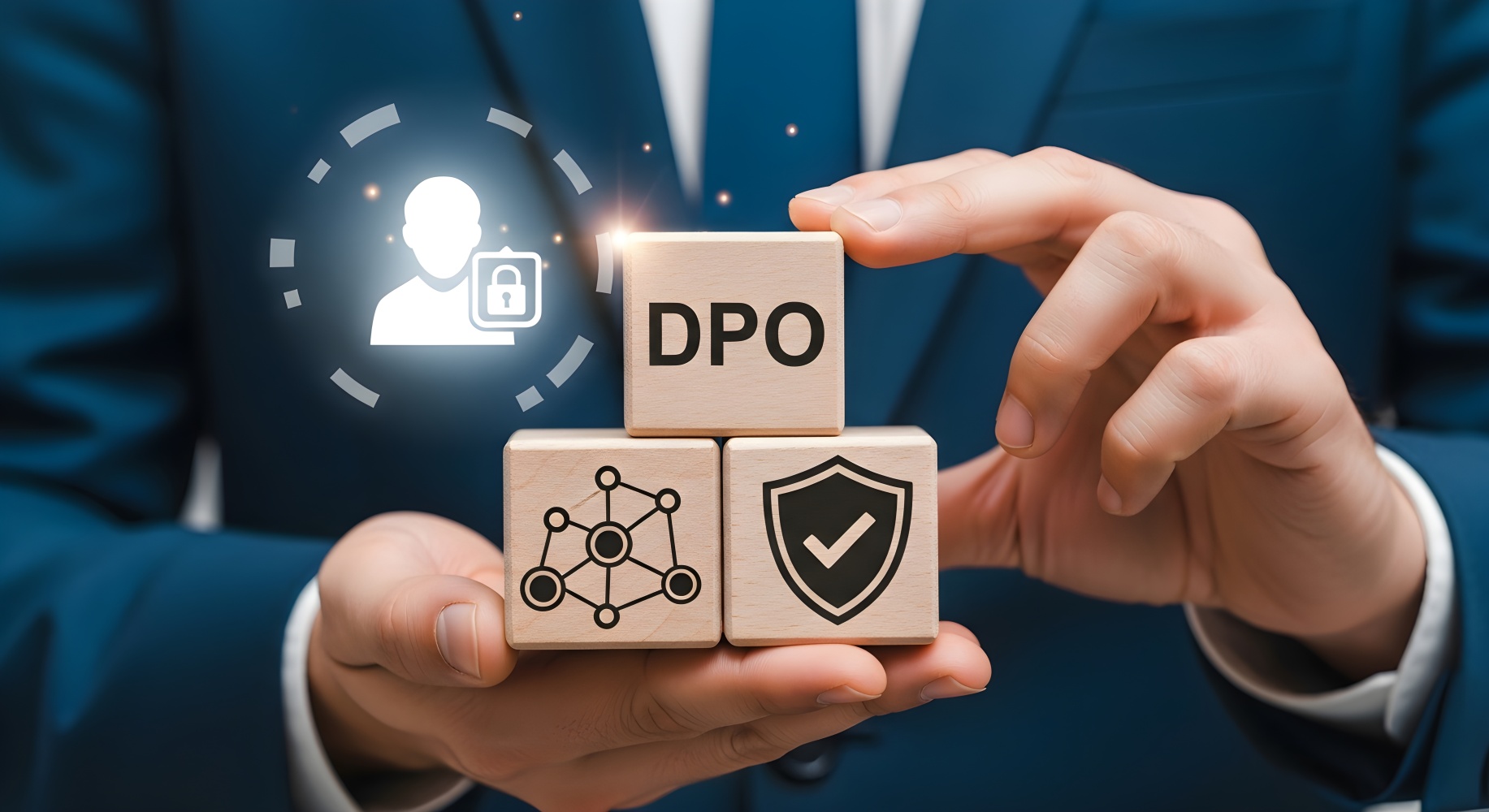
The role of the Data Protection Officer (DPO) continues to evolve across Europe. In early 2026, the European Data Protection Supervisor published new guidance and binding rules. These aim to strengthen the independence and effectiveness of DPOs in EU institutions.
These updates build on current data protection laws. They set clearer expectations for how organizations should support and protect the DPO role. For privacy professionals and organizations handling personal data, understanding these developments helps ensure ongoing compliance and stronger data governance.
This article outlines key EDPS updates. It explains why DPO independence matters. It also highlights what this means for organizations.
Why the Data Protection Officer (DPO) Role Matters
A Data Protection Officer (DPO) acts as a key figure in any organization that processes personal data. The DPO checks compliance with data protection laws, advises the organization on privacy duties, and safeguards individual rights.
In the European Union, many organizations must appoint a DPO. They must do this when they process personal data at scale. They must also do this when they handle sensitive data categories.
Within EU institutions and bodies, appointing a DPO is mandatory.
The DPO is an independent advisor. They ensure the organization follows data protection rules. They also protect individuals’ fundamental rights. (European Data Protection Supervisor)
The latest guidance from the EDPS reinforces this independence and strengthens the framework that supports the DPO role.
Understanding the Legal Framework: Regulation (EU) 2018/1725
To understand the new guidance, organizations must first understand the legal foundation behind it.
The key legislation for EU institutions is Regulation (EU) 2018/1725. This regulation establishes the data protection obligations that apply when EU institutions, agencies, and bodies process personal data. (European Data Protection Supervisor)
Many professionals describe it as the “GDPR for EU institutions.”
The regulation sets out requirements for:
- Lawful processing of personal data
- Protection of individuals’ privacy rights
- Transparency and accountability in data processing
- Oversight mechanisms through Data Protection Officers
Under this framework, the Data Protection Officer (DPO) serves as the cornerstone of internal compliance.
What Does “DPO Means in Government”?s
When discussing “DPO means in government,” the role becomes even more critical.
Public institutions process large volumes of personal data related to citizens, employees, and public services. Governments therefore rely heavily on the DPO to ensure responsible data governance.
Within EU institutions, the DPO:
- monitors compliance with data protection laws
- advises internal teams on privacy requirements
- acts as a contact point for supervisory authorities
- supports individuals who exercise their data protection rights
This role strengthens transparency and accountability across public administration.
The EDPS Strengthens DPO Independence
Recent guidance from the European Data Protection Supervisor (EDPS) highlights the growing importance of protecting the independence of the Data Protection Officer (DPO). The EDPS introduced new rules to ensure that EU institutions support DPOs properly and allow them to perform their duties without pressure or influence from internal management.
A key element of the new framework addresses how organizations handle the dismissal of a DPO. Under the updated rules, EU institutions must follow a structured procedure and obtain prior approval from the EDPS before dismissing a DPO. Institutions must also provide clear grounds for such a decision. This approach helps ensure that organizations cannot remove a DPO simply because the officer identified compliance issues or raised concerns about data protection practices.
These measures reinforce an important principle of European data protection governance: the DPO must act independently and must have the authority to advise the organization without fear of retaliation. Strong independence allows the DPO to identify risks, challenge unsafe practices, and promote responsible data processing.
For many organizations, maintaining this level of independence and expertise internally can be challenging. The DPO role requires continuous monitoring of regulatory developments, structured compliance processes, and direct engagement with privacy authorities. This is where external expertise can provide significant value.
Solutions such as DPO as a Service, like those offered by Sovy, help organizations establish a strong and independent DPO function while maintaining compliance with evolving European regulations. By relying on experienced privacy professionals and structured compliance tools, organizations can strengthen their governance framework and ensure that their DPO receives the support needed to perform their responsibilities effectively.
Key DPO Responsibilities
Organizations must clearly define DPO responsibilities to ensure that the role functions effectively.
The Data Protection Officer performs several core activities that support compliance and privacy governance.
Monitoring Data Protection Compliance
One of the most important responsibilities involves monitoring compliance with data protection laws. The DPO regularly reviews internal processes, policies, and data processing activities.
This oversight helps organizations identify potential risks early and implement corrective measures.
Advising Leadership and Staff
The DPO advises management, legal teams, IT departments, and operational teams on privacy requirements.
This guidance helps employees understand how to handle personal data responsibly and reduces the risk of compliance violations.
Supporting Data Protection Impact Assessments
Organizations often conduct Data Protection Impact Assessments (DPIAs) when they implement new technologies or processes that may affect privacy.
The DPO provides guidance during these assessments and helps organizations identify potential risks and mitigation measures.
Promoting Privacy Awareness
Many employees do not fully understand their responsibilities when handling personal data. The DPO organizes training sessions, workshops, and awareness initiatives that promote a strong privacy culture.
This proactive approach reduces the likelihood of data protection incidents.
Acting as a Contact Point
The DPO communicates with supervisory authorities and responds to inquiries related to data protection compliance.
Individuals who wish to exercise their privacy rights may also contact the DPO directly.
Supporting Incident Response
If a data breach occurs, the DPO helps the organization assess the situation and determine the appropriate response. The officer may assist with breach notifications and recommend steps to reduce future risks.
Advising on Data Governance Strategy
Modern organizations rely on data to drive decision-making and innovation. The DPO ensures that this strategy aligns with data protection requirements and ethical principles.
Through these responsibilities, the Data Protection Officer (DPO) helps organizations balance innovation with privacy protection.
Why These Changes Matter for Organizations
The EDPS guidance sends a clear message: organizations must treat the DPO as an independent governance function.
Many organizations already appoint a DPO, but not all provide sufficient support or independence.
The new rules encourage organizations to:
- allocate proper resources to the DPO
- avoid conflicts of interest
- ensure the DPO reports at a senior level
- protect the DPO from unjustified dismissal
Strong DPO independence helps organizations prevent compliance failures and build trust with regulators and customers.
What This Means for Privacy Governance
The latest guidance also reflects a broader trend in data protection governance.
Across Europe, regulators expect organizations to strengthen internal accountability structures. The DPO plays a central role in this framework.
A well-supported DPO helps organizations:
- process large amounts of personal data
Organizations that handle large amounts of personal data must appoint a DPO. This work raises privacy risks and needs stronger oversight.
- monitor individuals systematically
Organizations that regularly monitor individuals must appoint a DPO, particularly when tracking behaviour or activities over time.
- handle special categories of sensitive data
Organizations that process sensitive personal data must appoint a DPO. This data needs a higher level of protection.
- operate within public authorities or institutions
Public authorities and institutions must appoint a DPO because they process personal data related to citizens and public services.
Organizations that treat the DPO as a strategic partner rather than a formal requirement gain significant long-term benefits.
How Sovy Can Help with DPO Support
Managing privacy compliance requires expertise, time, and resources. Many organizations struggle to maintain an effective DPO function internally.
This is where Sovy can help.
Sovy offers DPO as a Service, allowing organizations to access experienced privacy professionals who support compliance with European data protection regulations.
With Sovy, organizations can:
- appoint an external Data Protection Officer
- receive expert guidance on GDPR and Regulation (EU) 2018/1725
- manage privacy documentation and compliance workflows
- receive support during audits or regulatory inquiries
- strengthen internal privacy governance
FAQs
What is a Data Protection Officer (DPO)?
A Data Protection Officer (DPO) is a privacy professional. The DPO helps ensure an organization follows data protection laws and protects personal data.
What does DPO mean in government?
In government institutions, the DPO monitors compliance with data protection laws. The DPO advises public authorities. The DPO protects citizens’ privacy rights when public bodies process personal data.
What are the main DPO responsibilities?
Key DPO responsibilities include monitoring compliance, advising the organization, supporting risk assessments, communicating with regulators, and promoting a culture of privacy within the organization.
What is Regulation (EU) 2018/1725?
Regulation (EU) 2018/1725 sets data protection rules for EU institutions, bodies, and agencies. These rules apply when they process personal data. It sets out obligations similar to the GDPR but specifically for EU public institutions.
Can organizations outsource the DPO role?
Yes. Many organizations use DPO as a Service solutions to meet compliance requirements while gaining access to specialized privacy expertise.
