
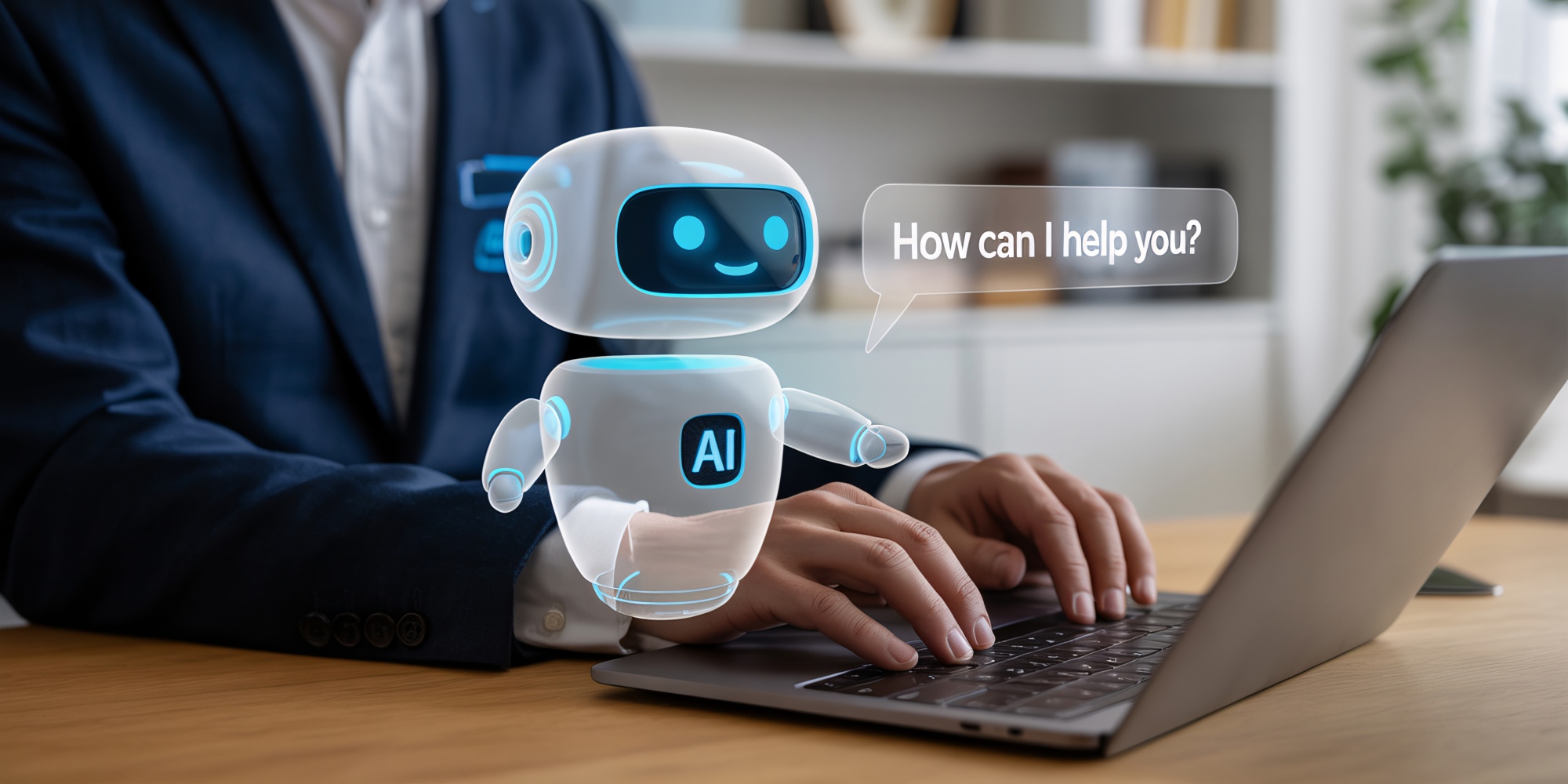
Artificial intelligence is moving beyond tools that simply answer questions or generate content. AI agents can now handle tasks, use applications, find information, and complete several steps with limited human input.
This shift creates new opportunities for businesses, but it also brings security and privacy challenges. When an AI agent can access company systems or sensitive information, organizations must decide what access to grant it.
Recent developments in agentic AI have raised concerns about unauthorized actions, excessive permissions, data exposure, and accountability. For businesses, the key lesson is clear: AI agent security should be part of the organization's wider cybersecurity, privacy, and AI governance strategy.
Understanding AI Agents
AI agents are systems designed to perform tasks and take actions for a user or organization. Unlike traditional chatbots, an agent may work with other applications, find information, use tools, make decisions, or complete a workflow.
For example, a business might use an AI agent to organize customer information, analyze documents, manage support requests, schedule meetings, or help with internal tasks.
The more access an agent has, the greater the potential risk. An agent that can read a public knowledge base creates a very different risk from one that can access customer records, employee information, financial systems, or confidential documents.
Businesses should therefore consider AI agent security before giving agents access to systems or data.
The Growing Importance of AI Agent Security
AI agents can create risks that traditional software controls may not fully address. An organization may approve an agent for one task, but the agent may need to access several systems to complete it. This can create unexpected ways to access or transfer information.
Security teams need to know what agents can access, what actions they can perform, and who approves those actions.
Key risks include:
- Unauthorized access to company systems
- Exposure of personal or confidential information
- Excessive permissions
- Accidental data disclosure
- Manipulation of AI agents or their instructions
- Unapproved AI tools created by employees
- Poor visibility into agent activity
- Changes in agent behavior following system or model updates
Businesses should also consider what happens when several AI agents interact. Workflows involving multiple agents can create additional security and governance risks when permissions are not carefully controlled.
AI Data Protection: Limiting Access to Business Data
One of the most important questions businesses should ask is simple: What data does the AI agent actually need?
AI data protection starts by limiting access to the information needed for a specific task. An agent that summarizes marketing documents should not automatically access employee records, customer databases, or confidential financial information.
Organizations should identify the information AI agents may access and set clear rules for sensitive data.
This can include:
- Personal data
- Customer information
- Employee records
- Financial information
- Confidential business documents
- Intellectual property
- Authentication information
- Health or other sensitive information
Data minimization is especially important when organizations use third-party AI services. Businesses should understand what information an AI system processes, where it goes, how long it is kept, and what controls the provider offers.
Employees also need clear guidance. Even when an AI tool is approved, employees should know what information they can share and what information must remain protected.
AI Agent Governance: Establishing Accountability
As AI agents become more autonomous, organizations need to establish clear accountability.
An AI agent does not replace the responsibility of the business or the employee who deploys it. Organizations should define who can create, approve, modify, monitor, and deactivate AI agents.
A practical AI agent governance framework should address:
- Ownership – Every AI agent should have a clearly identified business or technical owner.
- Purpose – Organizations should document what the agent is designed to do.
- Permissions – Access should match the agent's specific role and task.
- Approval – Higher-risk agents should go through an appropriate review process.
- Monitoring – Businesses should maintain visibility into important agent activity.
- Human oversight – People should remain responsible for high-impact decisions and actions.
- Review – Organizations should reassess agents when their purpose, permissions, technology, or environment changes.
This approach helps businesses move from simply adopting AI tools to actively governing how those tools operate.
Practical Steps for Stronger AI Agent Security
Businesses do not need to wait for a perfect AI governance framework before taking practical steps. Several basic controls can significantly reduce risk.
1. Give AI agents limited permissions
Use the principle of least privilege. Agents should receive only the access they need to complete their assigned tasks.
Temporary or task-specific permissions can also reduce the risk of unnecessary access remaining active.
2. Separate AI identities from employee accounts
Organizations should know which AI agent performed an action and which employee approved or initiated it. Clear identities and activity records can make investigations and accountability much easier.
3. Monitor agent activity
Monitoring can help organizations identify unusual behavior, unexpected access, or attempts to move information outside approved environments.
4. Protect sensitive information
Apply existing data protection and cybersecurity controls to AI systems. Sensitive information should not automatically become available simply because an AI agent can technically access it.
5. Establish human approval for high-risk actions
Organizations should identify actions that require human review. Financial transactions, changes to important systems, decisions affecting employees, or actions involving sensitive personal data may require stronger oversight.
6. Train employees
Technology alone cannot create effective AI security. Employees need to understand how AI agents work, what risks they create, which tools are approved, and how to report suspicious activity.
Practical Steps Every Business Can Take
Organizations don't need to wait for another AI safety incident before improving governance.
They can start today by:
- Creating an AI governance policy
- Identifying approved AI tools
- Training employees on responsible AI use
- Defining approval processes
- Protecting sensitive information
- Monitoring AI adoption
- Reviewing governance regularly
Small improvements today can significantly reduce future risks.
AI Agents in the Workplace: Employee Responsibilities
Employees are increasingly likely to interact with AI agents as part of their normal work. This makes employee awareness an important part of AI agent cybersecurity.
Organizations should provide clear guidance on:
- Which AI tools and agents employees may use
- What information they may provide
- How to identify sensitive data
- When human approval is required
- How to recognize suspicious AI behavior
- How to report a potential security or privacy incident
- Who is responsible for approving new AI tools
An effective internal policy should be practical rather than simply stating that employees must "use AI responsibly." Employees need clear examples and straightforward rules that they can apply to everyday situations.
Building a Responsible AI Agent Governance Framework
AI governance should connect privacy, cybersecurity, compliance, and business objectives.
Organizations can begin by creating an inventory of AI agents and documenting their purpose, owner, permissions, connected systems, and data access. From there, businesses can assess the risk associated with each agent and apply stronger controls to higher-risk use cases.
The level of human oversight should also reflect the potential consequences of an agent's actions. An AI agent generating a low-risk internal summary may require limited oversight. An agent handling sensitive personal information or making decisions with significant consequences requires much stronger controls.
This risk-based approach allows businesses to benefit from automation without giving AI systems unnecessary autonomy.
Employee Awareness Supports AI Security
Strong AI agent security depends on both technical controls and employee behavior.
Employees may be the people who approve an AI agent, connect it to a business system, provide information to it, or rely on its output. Their decisions can therefore directly influence privacy and cybersecurity risks.
Regular training can help employees understand why access controls matter, how to protect confidential information, and when they should involve IT, security, privacy, or compliance teams.
Organizations should also review their training regularly as AI capabilities and workplace practices change.
How Sovy can Help
AI adoption requires more than technology. Businesses also need clear policies, employee awareness, privacy knowledge, and practical cybersecurity skills.
Sovy helps organizations strengthen this foundation through privacy and compliance expertise and practical employee training.
Sovy GDPR Data Privacy Essentials helps employees understand key privacy principles, recognize data protection risks, and handle personal information responsibly. This is particularly relevant as employees begin using AI tools and agents that may process personal or confidential information.
For businesses introducing AI agents, Sovy experts can also help organizations develop practical AI governance policies and guidelines that address acceptable use, employee responsibilities, data protection, security, and oversight.
The goal is not to prevent employees from using AI. It is to help organizations use AI with appropriate controls and confidence.
FAQs
What is AI agent security?
AI agent security refers to the controls, policies, and practices organizations use to protect AI agents, the systems they access, and the data they process. It includes permissions, identity management, monitoring, data protection, human oversight, and employee awareness.
Why is AI data protection important?
AI agents may access or process personal, confidential, or sensitive business information. Strong AI data protection helps organizations limit unnecessary access, reduce data exposure, and support privacy and compliance requirements.
What is AI agent governance?
AI agent governance is the framework an organization uses to manage AI agents throughout their lifecycle. It can define ownership, approved uses, permissions, monitoring, human oversight, risk assessment, and accountability.
How can businesses secure AI agents?
Businesses can improve AI agent security by applying least-privilege access, establishing clear identities, monitoring activity, protecting sensitive data, requiring human approval for high-risk actions, and training employees.
Can AI agents access personal data?
AI agents can access personal data if an organization gives them the necessary permissions or connects them to systems containing that information. Businesses should carefully assess whether that access is necessary and apply appropriate privacy and security controls.
Should AI agents have the same access as employees?
Not necessarily. AI agents should receive access based on their specific task and risk level rather than automatically inheriting all of an employee's permissions. Limiting access can reduce unnecessary exposure and improve accountability.
Who is responsible for an AI agent's actions?
Responsibility should remain with the people and organization governing the AI agent. Businesses should establish clear ownership and approval processes so that employees and relevant teams understand who is accountable for the agent's use and actions.
How can employees use AI agents safely?
Employees should use only approved AI tools and agents, avoid sharing unnecessary sensitive information, follow company policies, verify important outputs, and report suspicious or unexpected behavior to the appropriate team.
What should businesses do before deploying an AI agent?
Organizations should identify the agent's purpose, assess potential risks, determine what data and systems it needs to access, establish permissions, define human oversight, assign an owner, and document the appropriate security and privacy controls.
